Evidence is experimental. Most claims trace to limited human studies or animal models. Treat as a research direction, not a protocol.
Mechanism
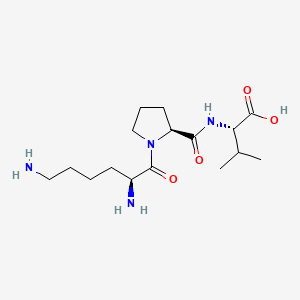
Three-amino acid tail of alpha-MSH. Suppresses NF-κB signaling and pro-inflammatory cytokines without the pigmentation activity of full α-MSH. Most preclinical work on inflammatory bowel disease and atopic dermatitis. Human RCTs are sparse.
Specifics
Slow wound healingJoint pain
Caveats
Almost no human trial data. Most claims extrapolated from cell-culture and rodent IBD models.
Pre-filled with this compound's published dose range: 200-500 µg · daily, oral or subcutaneous
Concentration2.50 mg/mL
Draw volume0.140 mL
Insulin syringe14.0 u
Doses per vial14
U-100 syringe — fill to indicatorU-100 · 1 mL
0u25u50u75u100u
Calculator is a discussion tool. Verify reconstitution + dosing with a qualified provider. Stack is not a prescription source. Use sterile technique and inspect every vial.
FDA's Pharmacy Compounding Advisory Committee scheduled to review the first cohort of peptides removed from Category 2 in April 2026. The 7 peptides on this docket are the highest-profile community names — BPC-157, TB-500, MOTS-c, Epitalon, DSIP, Semax, KPV.
Apr 15, 2026USTier change
FDA removes 12 peptides from Category 2 'significant safety concerns' list
FDA published a Federal Register notice on April 15 2026 removing 12 peptides from the Category 2 ('significant safety concerns') compounding list, paving the way for PCAC review for inclusion on the 503A bulks list. Peptides removed: BPC-157, TB-500, Epitalon, GHK-Cu (injectable), MOTS-c, DSIP, Dihexa Acetate, MK-677, Melanotan II, KPV, Semax, LL-37.
FDA places peptides on Category 2 'significant safety concerns' list
FDA's Pharmacy Compounding Advisory Committee categorized a wide list of peptides as Category 2 ('significant safety concerns'), effectively banning their compounding at 503A and 503B pharmacies. Affected: BPC-157, TB-500, Epitalon, GHK-Cu, MOTS-c, DSIP, Dihexa, MK-677, Melanotan II, KPV, Semax, Selank, LL-37 and others.