PCAC review · February 2027 panel
FDA's Pharmacy Compounding Advisory Committee scheduled to review the second cohort of peptides removed from Category 2 in April 2026. Panel votes whether to add each to the official 503A bulks list.
LL-37
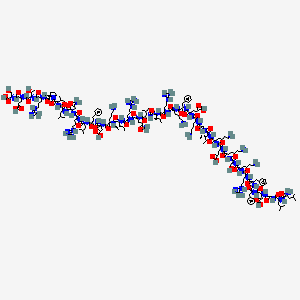
Monograph · C37-amino acid cathelicidin antimicrobial peptide. Direct membrane disruption against bacteria, fungi, viruses; modulates innate immune signaling.
How it clearsHalf cleared in ~18min. Most (~96%) gone by ~1.5h.

Evidence is experimental. Most claims trace to limited human studies or animal models. Treat as a research direction, not a protocol.
Endogenous human host-defense peptide. Investigated as a topical antimicrobial and adjunct in chronic infections. Vitamin D status correlates with endogenous LL-37 expression. Synthetic supplementation is research-stage; biotech candidates target diabetic foot ulcers and chronic wounds.
Thin data — the mechanism is biologically plausible, but human response evidence is mostly case reports and personal logs. If you're running this, careful tracking is not optional — it is the evidence base this tier is still building.
Off-target inflammatory effects at high concentration. Most therapeutic value of cathelicidin in real life comes from optimizing vitamin D status, not exogenous LL-37.
Upload a lab file (LabCorp / Quest) or DNA file (23andMe / AncestryDNA). Stack will show your specific markers alongside the literature-reported response windows.
Upload in /historyPer-claim grading. Each claim is graded independently — same peptide, different claims can carry different grades.
External links to PubMed searches, ClinicalTrials.gov, and FDA materials. We do not host papers — we point at canonical sources.
FDA Cat. 2 removed Apr 2026 — PCAC review Feb 2027
FDA's Pharmacy Compounding Advisory Committee scheduled to review the second cohort of peptides removed from Category 2 in April 2026. Panel votes whether to add each to the official 503A bulks list.
FDA published a Federal Register notice on April 15 2026 removing 12 peptides from the Category 2 ('significant safety concerns') compounding list, paving the way for PCAC review for inclusion on the 503A bulks list. Peptides removed: BPC-157, TB-500, Epitalon, GHK-Cu (injectable), MOTS-c, DSIP, Dihexa Acetate, MK-677, Melanotan II, KPV, Semax, LL-37.
FDA's Pharmacy Compounding Advisory Committee categorized a wide list of peptides as Category 2 ('significant safety concerns'), effectively banning their compounding at 503A and 503B pharmacies. Affected: BPC-157, TB-500, Epitalon, GHK-Cu, MOTS-c, DSIP, Dihexa, MK-677, Melanotan II, KPV, Semax, Selank, LL-37 and others.
Pre-filled with this compound's published dose range: varies — research stage · research-only
Calculator is a discussion tool. Verify reconstitution + dosing with a qualified provider. Stack is not a prescription source. Use sterile technique and inspect every vial.
How much a first cycle actually costs across the channels people use. Pick the protocol length you're considering — Stack multiplies the monthly band by cycle weeks. Same caveats apply: ranges are facts, quality varies, this is not legal advice.
Numbers reflect publicly-advertised price ranges, not vendor quotes. Insurance, prescription costs, and shipping aren't included. Channels marked unavailable are filtered out.
See pharmacies for this compound →Approximate monthly cost across the channels users actually consider — brand FDA-approved retail, US 503A compounding, Mexican pharmacies, MX farmacias magistrales, and the research-grey market. Stack lists ranges, not vendor names. Quality varies wildly across channels — see each band's note.
Dosing assumption: 100-500 µg/day subcutaneous (cathelicidin-derived antimicrobial peptide)
Research-grey only. Synthesis complexity (37-residue peptide) drives higher per-mg cost than shorter fragments. Used for chronic infection / biofilm protocols at the speculative end. On the Feb 2027 PCAC docket.
As of 2026-04No field reports yet
Field reports are added as users share their real-world protocols.
Next visit & citations
Running this compound? Log it in /history, then open Dr Passport before your visit. Methodology explains grades; the research dashboard sorts the full catalog with citations.